Latest note
How to Set Noindex on Pages and Directories—and Verify Google Sees It
Put noindex on each URL’s HTML or HTTP response, keep the URL crawlable, and check Google’s detection separately from the live implementation.
The technical side of search
Technical SEO Notes is a blog about the technical side of search engine optimization and how website setup relates to search visibility.
Latest note
Put noindex on each URL’s HTML or HTTP response, keep the URL crawlable, and check Google’s detection separately from the live implementation.
Control crawl access and indexation
Use URL Inspection to request a revisit of one new or substantially updated page, then check its status later without treating submission as a crawl or indexing result.
Publish and troubleshoot sitemaps
An HTML sitemap gives visitors an organized route to site content; an XML sitemap serves search-engine discovery instead.
Diagnose crawling, rendering, and indexing
Compare Crawl Stats with verified Googlebot requests for the same dates to find a specific URL or server-response pattern worth investigating.
Diagnose crawling, rendering, and indexing
Use request-level server logs to verify Googlebot activity, find URL and response patterns, and check what changed after a targeted fix.
Publish and troubleshoot sitemaps
An XML sitemap identifies URLs a site owner considers important, but an entry is not evidence that a page was crawled or indexed.
Publish and troubleshoot sitemaps
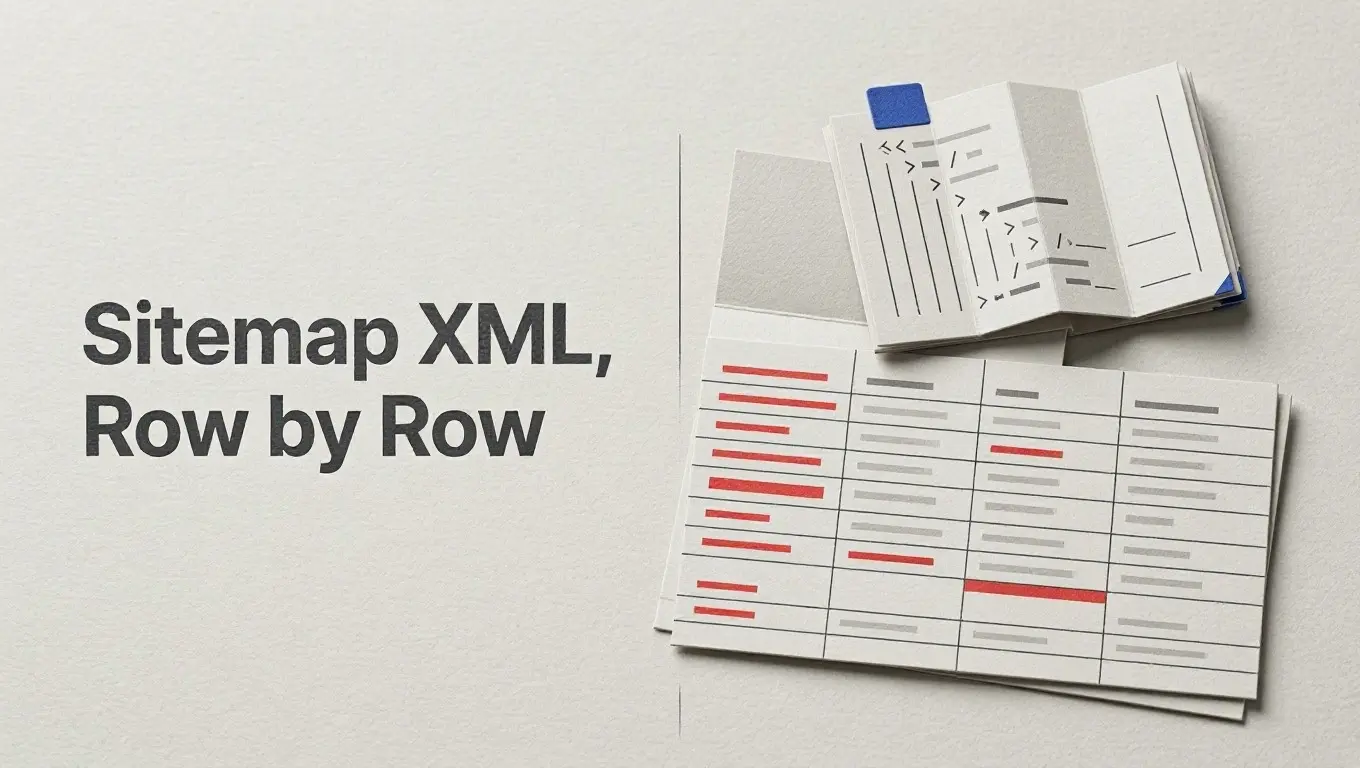
Use a sitemap parser to export page URL entries as spreadsheet rows, then check the columns and sample records against the XML.
Publish and troubleshoot sitemaps
Check for an existing sitemap, export the intended URLs, publish the XML at a stable root URL, and verify what that URL serves.
Control crawl access and indexation
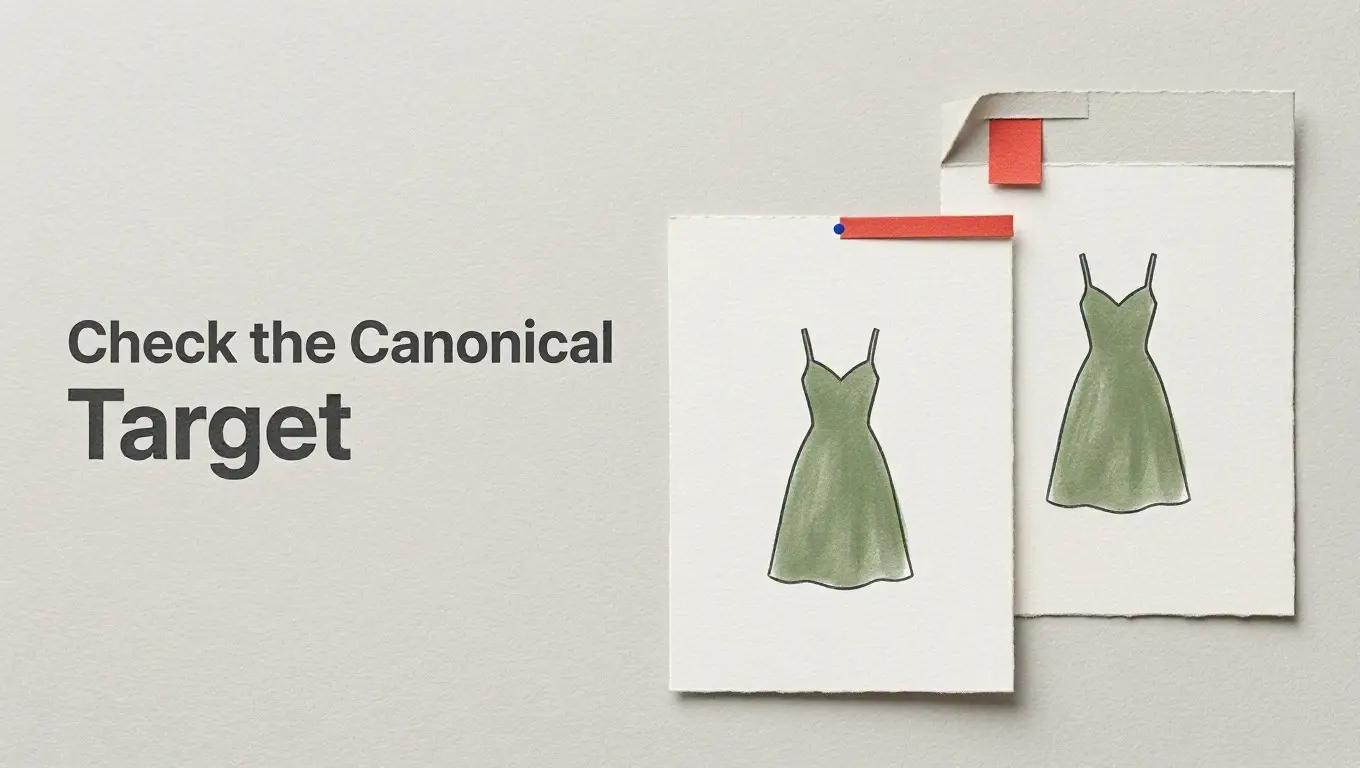
Put one canonical link in the page head, verify the URL in both source and rendered output, then compare your declaration with Google’s selection.
Publish and troubleshoot sitemaps
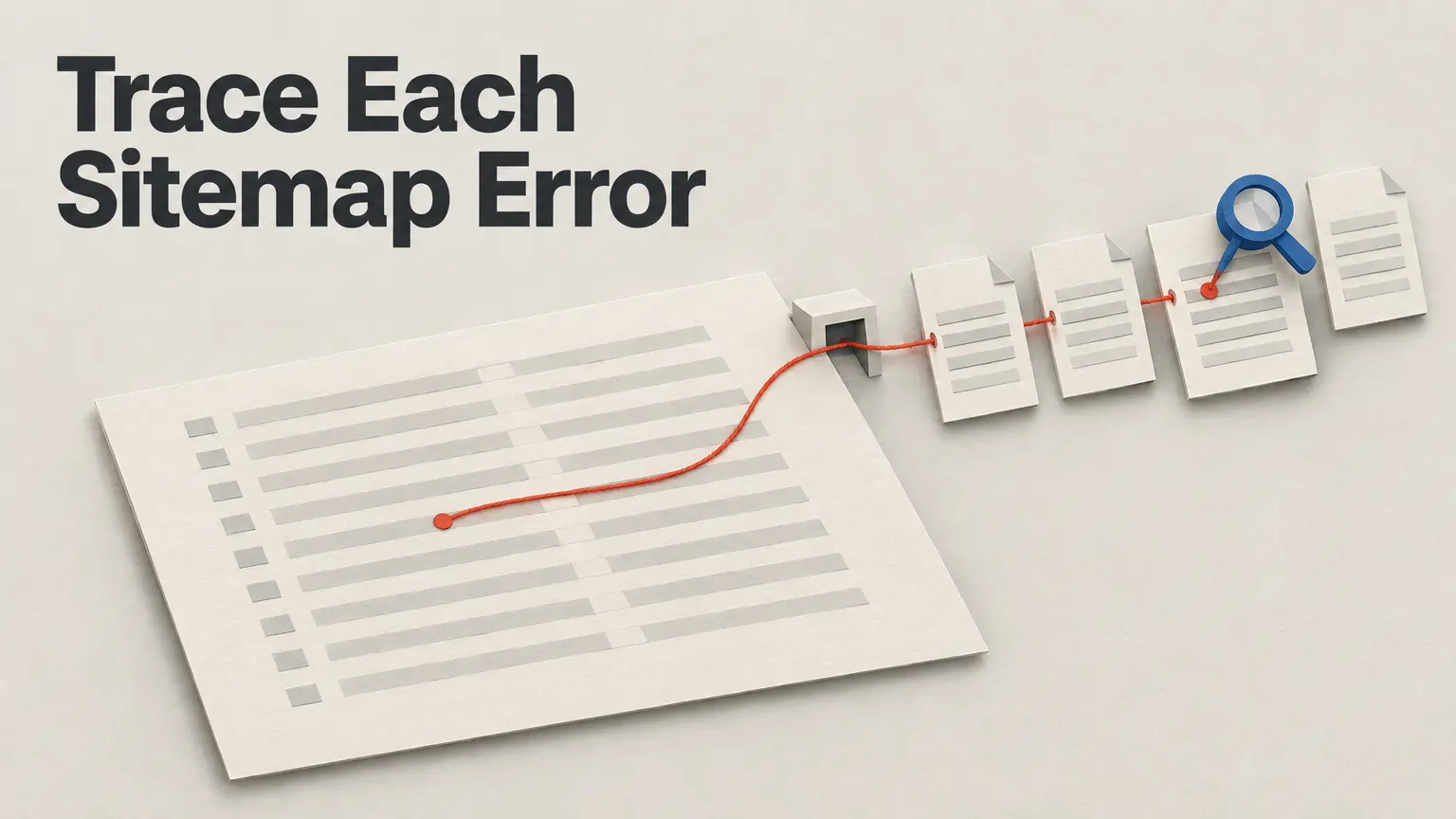
Start with the reported error and URL, then test the published sitemap or the affected page—whichever the report actually identifies.